
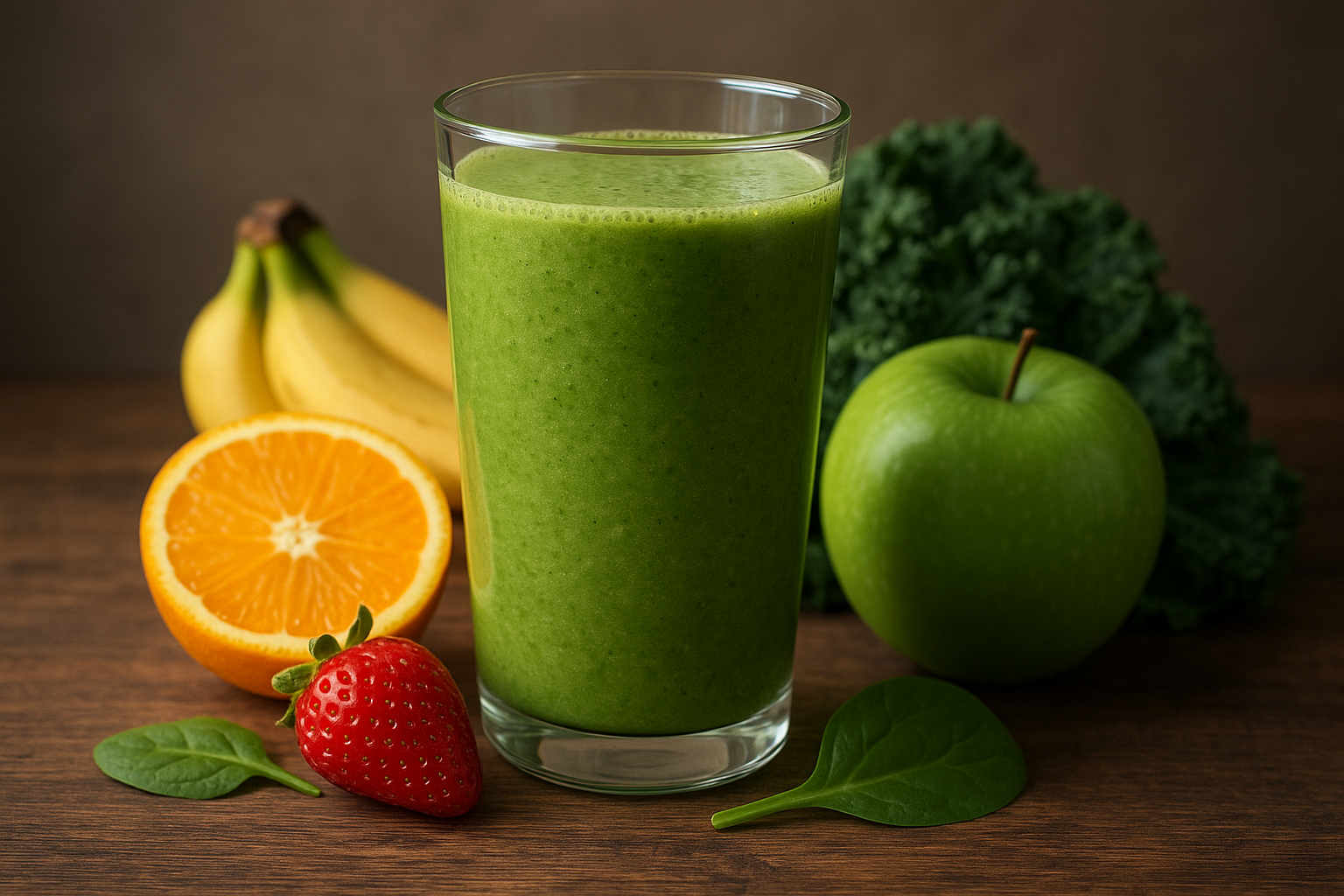
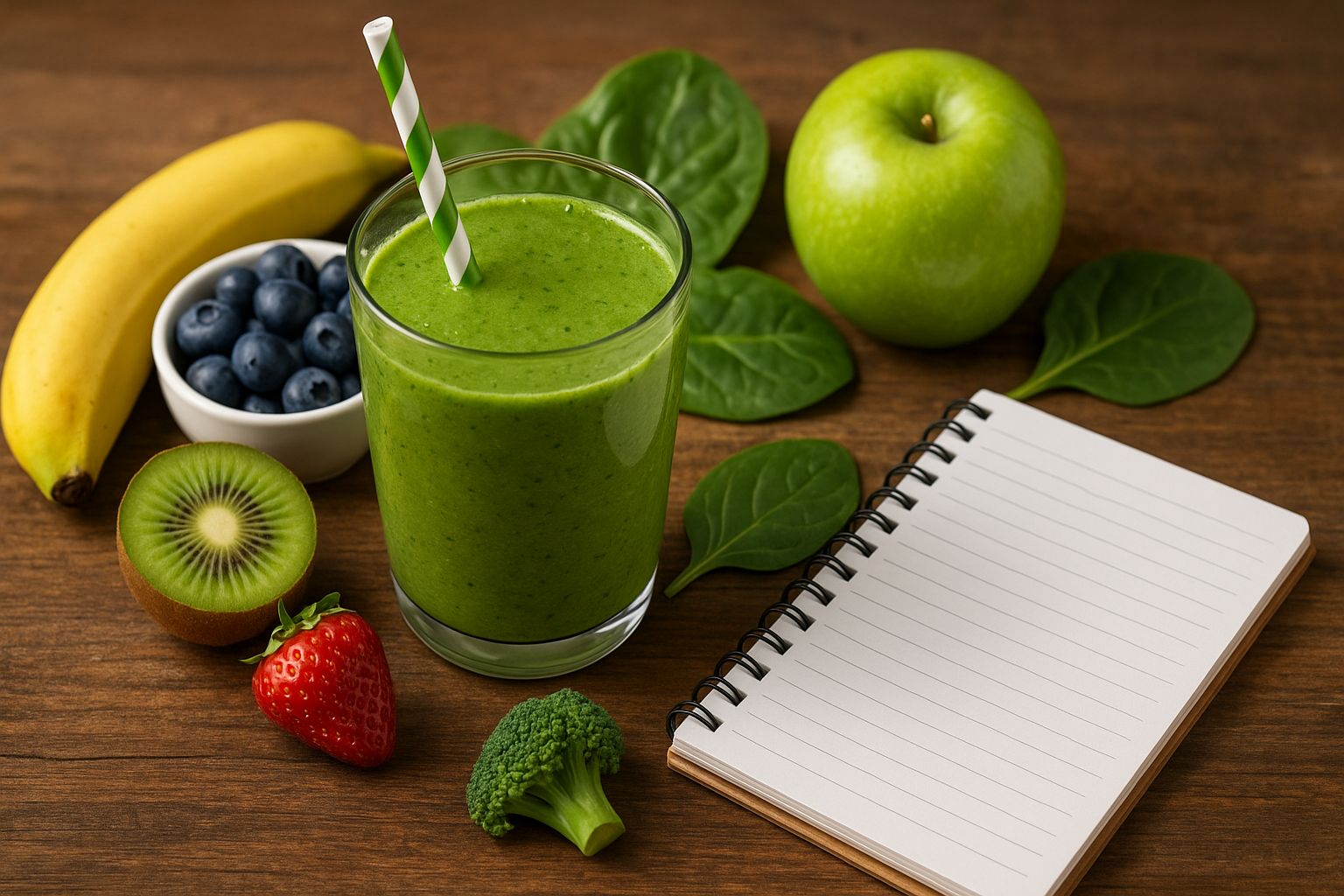
The Smoothie Diet Review offers an overview of a 21-day program that centers on replacing meals with smoothies and following a guided plan to support weight loss and improved vitality. The concept is straightforward: provide structure, easy recipes, and practical tools to help people eat more fruits and vegetables, stay within a daily calorie target, and build healthier habits over three weeks.
Details about the product include a curated collection of smoothie recipes, a day-by-day or week-by-week plan, and practical resources to make the regimen easier to follow. The program typically emphasizes convenience and consistency, with guidance on when to drink smoothies, how to pair them with balanced meals, and how to prep ingredients in advance. Many users appreciate having a clear roadmap, shopping lists, and prep tips to streamline weeknights or busy mornings.
Key features
– 21-day program designed around smoothie-based meals
– Large library of smoothie recipes to choose from
– Structured daily or weekly meal plans to follow
– Grocery shopping lists and pantry prep guidance
– Step-by-step tips for meal preparation and batch cooking
– Tools for progress tracking and motivation
– Access to community support or additional resources
Pros
– Simple, beginner-friendly structure that reduces decision fatigue
– Encourages higher intake of fruits, vegetables, and fiber short-term
– Convenient and time-saving for busy lifestyles
– Potential for weight management when paired with a balanced overall intake
– Customizable options to fit common dietary preferences (e.g., dairy-free, vegetarian)
– Provides a clear plan and accountability which can improve adherence
How the product helps the user
The program helps by giving users a clear framework for making healthier choices without having to design every meal from scratch. The smoothie-centric approach can boost daily fruit and vegetable intake and increase fiber, which may aid fullness and digestion. With specified portions and a structured schedule, users often find it easier to avoid impulsive snacking and to stick to a calorie target that supports weight loss for the duration of the program.
Beyond the meals themselves, the plan emphasizes preparation and planning. By offering grocery lists and prep guidance, it reduces decision fatigue and makes it simpler to stay on track even on busy days. This kind of structure can help users develop repetitive habits—like pre-portioning smoothies or batching batches of ingredients—that translate into healthier routines after the program ends.
The program can also impact energy and mood by reducing reliance on processed snacks and high-sugar options. When smoothies are made with nutrient-dense ingredients, users may experience more stable energy levels and fewer sugar crashes. The inclusion of protein-rich add-ins or balanced meals helps ensure the approach remains sustainable and not overly restrictive for many people.
Accountability is another potential benefit. Access to a community or support resources provides motivation, tip-sharing, and encouragement. Regular check-ins or progress tracking can reinforce commitment and help users notice small improvements, which can be very reinforcing during a three-week challenge.
Overall review
The Smoothie Diet offers a practical, approachable entry point for people looking to kickstart healthier eating and pursue short-term weight management. Its strengths lie in structure, ease of use, and the appeal of quick, tasty recipes that can replace less healthy options. For someone who enjoys smoothies and wants a clear plan with ready-made recipes and shopping guidance, it can be a compelling, low-friction option.
However, it’s important to view this as a program with a finite duration rather than a long-term solution. Results will vary based on individual factors such as baseline diet, activity level, metabolism, and adherence. Some users may find the calorie target too restrictive over time or may miss essential nutrients if meals are not carefully balanced. It’s wise to ensure the plan includes adequate protein, fats, and micronutrients and to consider extending healthy habits beyond the 21 days.
In terms of value, the program can be worth it for those who prefer guided structure and a ready-made toolkit for meal planning. Price, accessibility, and the quality of the recipe library can influence satisfaction, so researching current offerings and reading recent user feedback is helpful. For anyone with medical conditions, pregnancy, or special dietary needs, consulting a healthcare professional before starting is advisable.
Overall, The Smoothie Diet can be a useful kickstart for healthier eating patterns and weight management, especially for people who thrive with a clear plan and a large set of approachable smoothie options. If you enjoy smoothies and want a structured three-week push to reset habits, it’s worth considering, while keeping in mind that long-term results depend on continued healthy choices beyond the program.